Photograph the permit.
FleetPath reads
the whole thing.
Snap a state oversize or overweight permit and FleetPath pulls the required routes, banned roads, escort rules, travel windows, and dimensional caps straight onto your dispatch packet. Every route it builds is truck-aware: it plans around the load’s real height, width, weight, and axle profile, not a generic 80,000 pound truck.
- 01
Capture
Permit read
Document validatedComplete - 02
Check
Rules verified
Dimensions and escorts clearedComplete - 03
Move
Route protected
Approved corridor engagedIn transit - 04
Prove
Proof attached
Passage record waitingPending - 05
Settle
Record closed
Permit and money reconcilePending
Your permit is a photo away from a full dispatch packet
FleetPath pulls the approved route, escort rules, and travel windows out of dense permit documents so dispatch can review the requirements before the move.
The load is the route.
Height, width, weight, permits, escorts, and the approved corridor are modeled as one protected move.
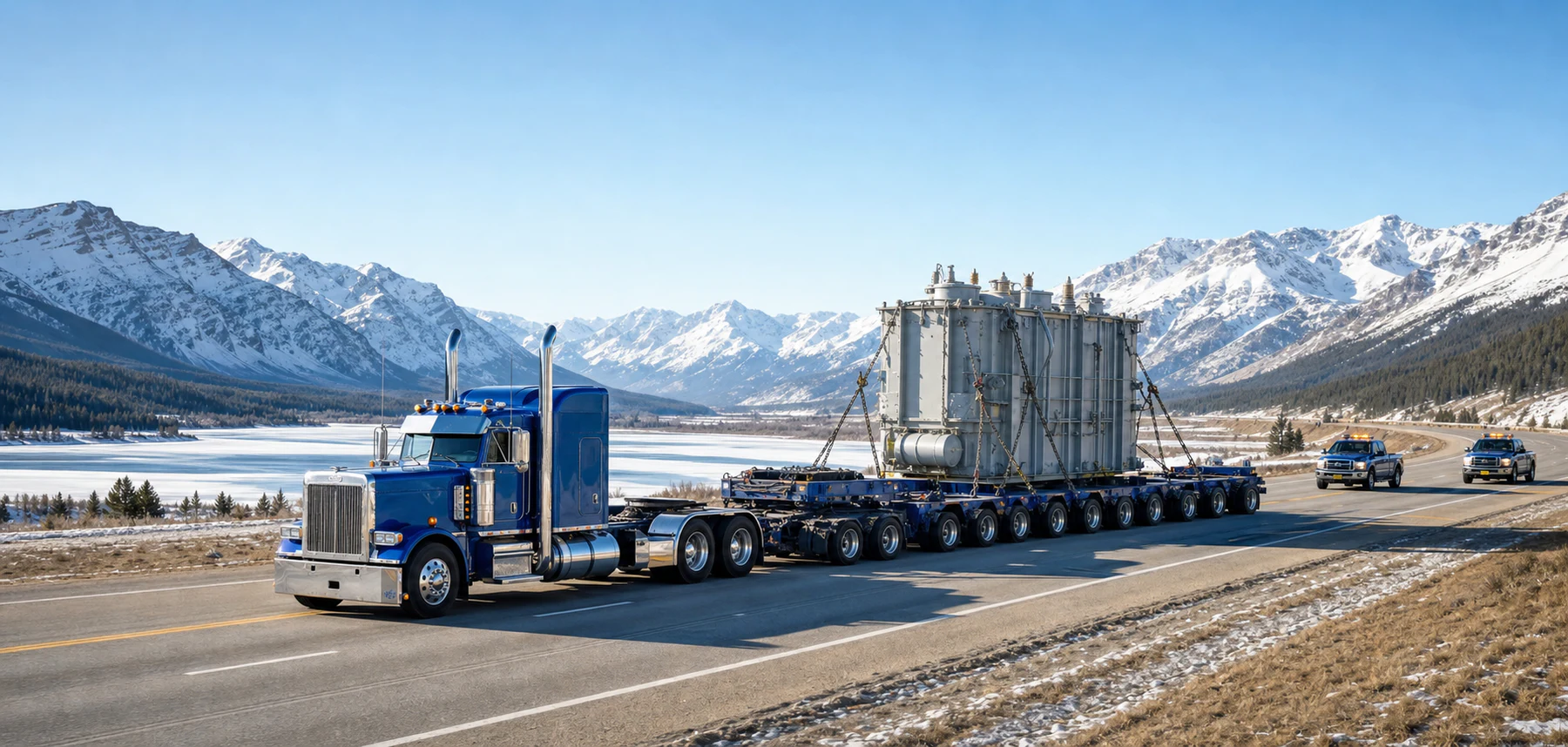
Routing that knows the load is 16 feet tall
Every candidate route is planned around the load’s real profile, not a generic tractor-trailer.
Know what the move requires before you price it
Start with the load’s dimensions and weight to identify permit needs, estimate costs, and plan lead time. State requirements and the issued permit control the move.
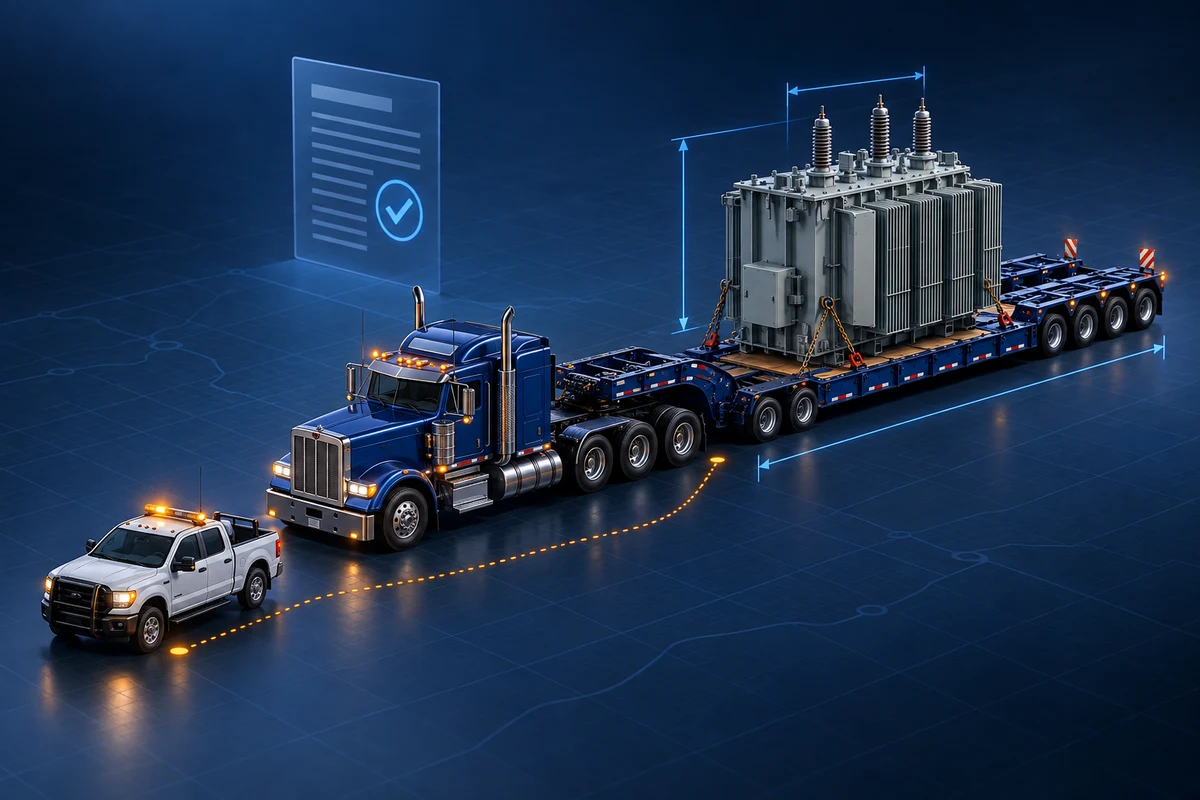
An approved route should stay the approved route
When a route is permit-locked, FleetPath will not quietly reroute it. A permit-locked route is excluded from automated weather and risk rerouting, so an approved corridor is not swapped out from under the driver by a detour the state never blessed.
Make the next permitted move the easiest one.
Start with the load, the dimensions, and the route your team has to protect.